
When you explore our landscapes, you might feel curious to know more about the vegetation you observe. Here is a summary of the main species you will find, some of which often decorate the vases in our house.
Wild Vegetation
The wild vegetation growing in the forest surrounding the village is typical of the Mediterranean, adapted to a generally dry climate with hot summers and cold winters.
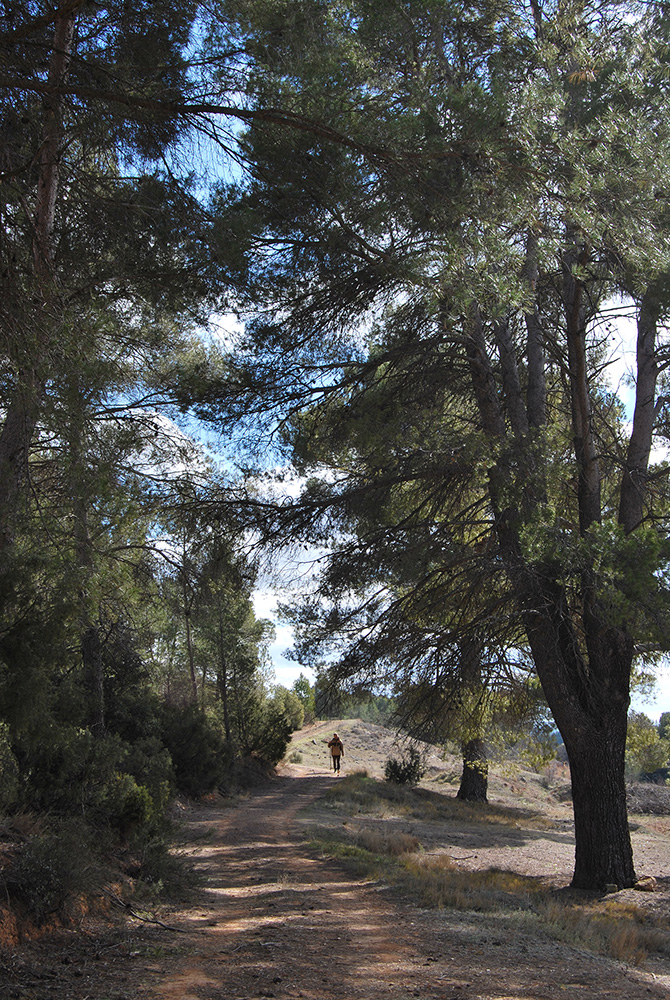
Aleppo Pine (Pino Carrasco)
The protagonist of the Mediterranean forest and the Natural Park. Adapted to dry, sunny areas, it can reach 25 meters in height and flowers in April-May, producing cones 5 to 12 cm long. It quickly colonizes abandoned farmland, meaning the border between fields and forest is constantly shifting. You can observe unique specimens on the route we have prepared in this Wikiloc link.
Mediterranean Scrubland
Accompanying the Aleppo pine, you will find a repertoire of smaller species adapted to hot, dry summers, including:
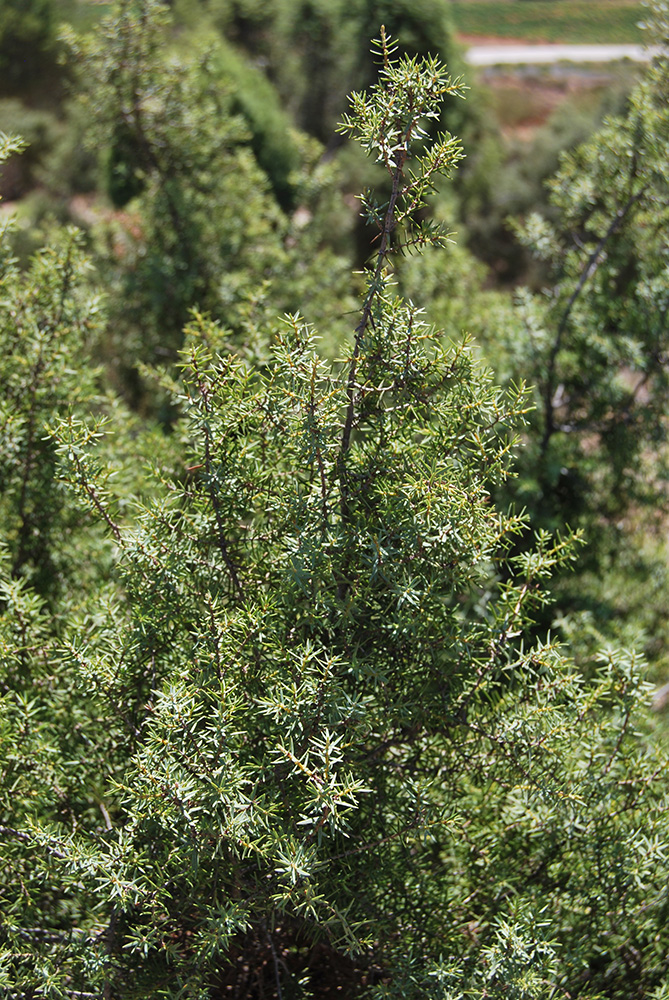
Juniper (Enebro o sabina). These can be small shrubs or grow into large trees. They are characterized by thin, needle-like leaves. Their berries are used in gastronomy and as a flavoring for certain beverages.
Gorse (Aliaga). Known for its thorns, it displays beautiful yellow flowers from March to June.
Holm Oak or Holly (Carrasca o Acebo). Features oval leaves with thorny edges and produces red berries (on holly) that ripen in October or November, remaining on the tree all winter.
Lavender (Espliego). Blooms in July and is highly prized for its pleasant scent and the properties of its essential oils.
Rosemary (Romero). Like lavender, this woody herb is valued for its aroma and properties, widely used as a seasoning in local dishes.
Mediterranean Fan Palm (Palmito). The only palm native to the Iberian Peninsula, perfectly adapted to dry seasons.
Crops
The generally dry climate of the area has favored rain-fed crops. However, a historic network of irrigation ditches (acequias) and ponds allowed for the development of species that, while able to grow with little water, offer their fruits in full splendor when they have access to it (currently via wells).
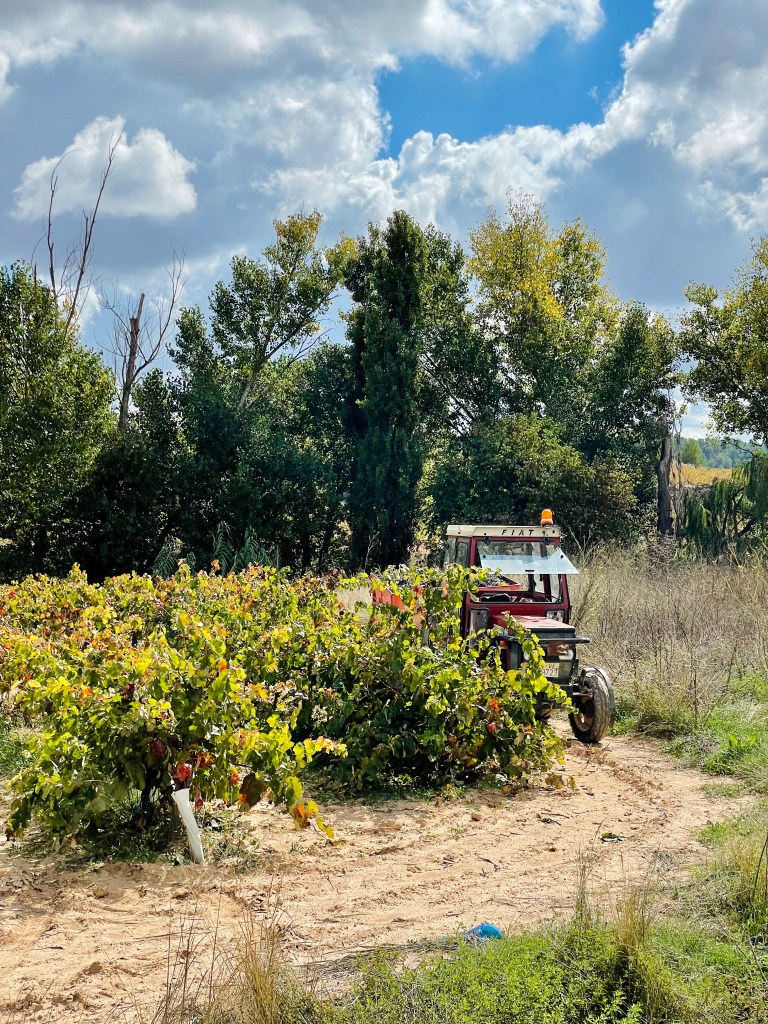
Grapevine (Parra o Vid)
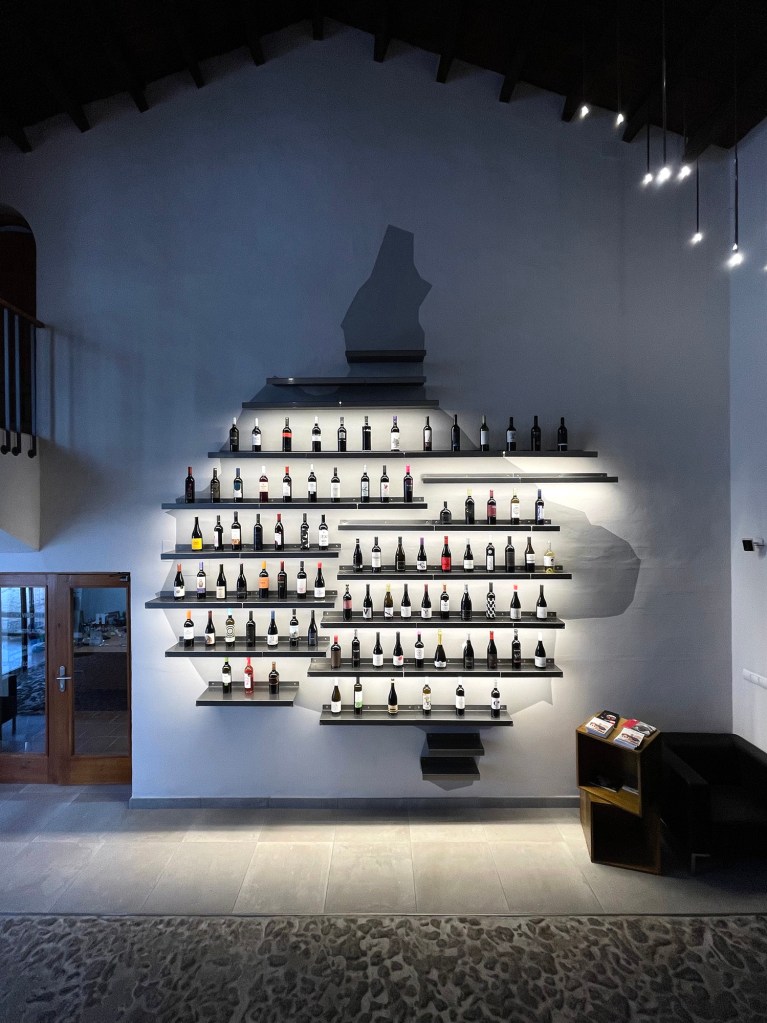
The cultivation of this species shapes the landscape of this entire region. The importance of grapes in the local economy marks the village calendar, culminating in the harvest in early September. Traditional cultivation with isolated vines is giving way to trellis systems and drip irrigation, seeking a balance between grape quality and ease of labor. Discover much more about this species by visiting any of the wineries included in our local resource map.
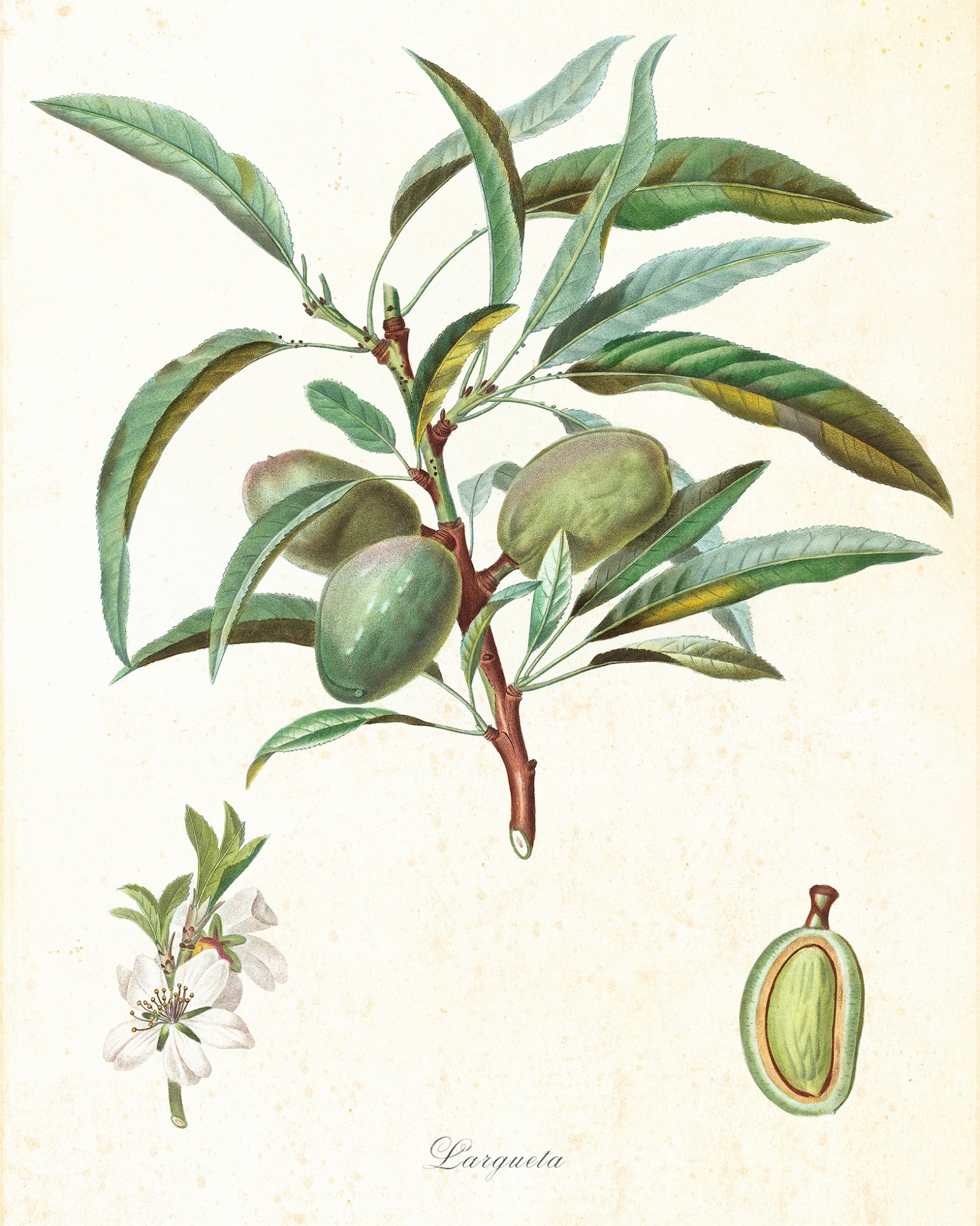
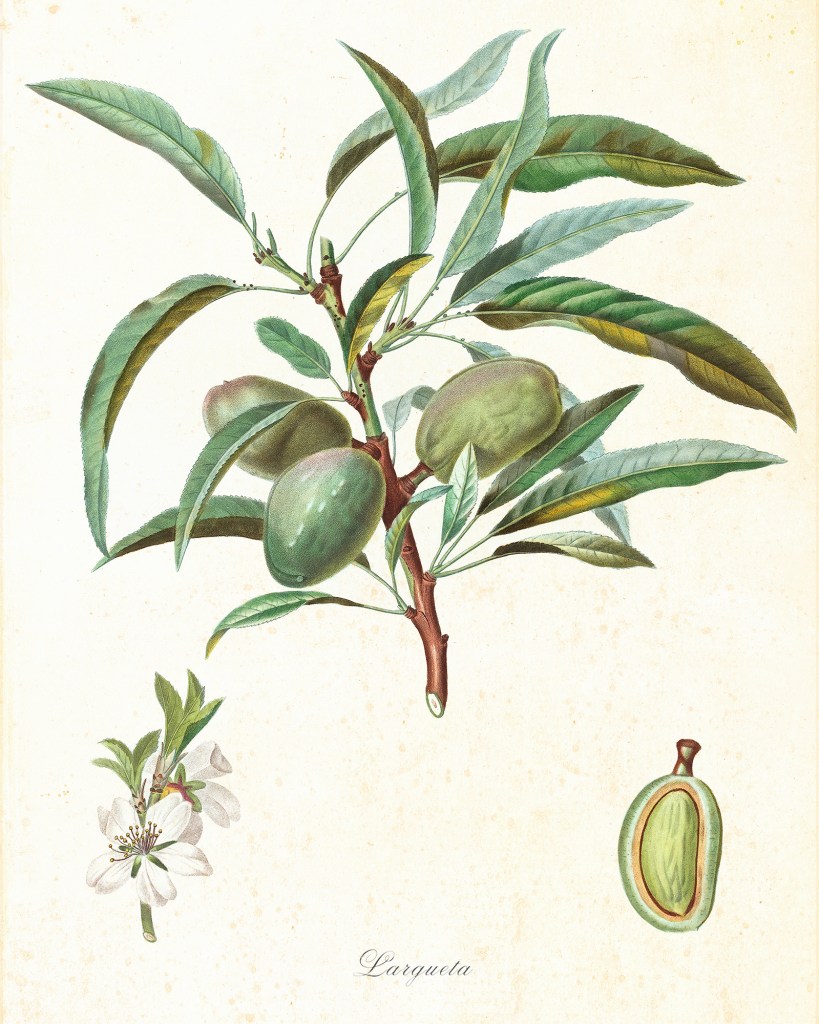
Almond Tree (Almendro)
Alongside the vine and olive, almond cultivation plays a significant role in the local economy. It blooms around February–March, creating spectacular landscapes, followed by the development of the fruit, which is harvested in August–September. The most frequent varieties are Largueta and Marcona.

Olive Tree (Olivo)
The third major crop in the area is the olive, highly prized for its cold-pressed oil. It flowers in mid-May, and the olives are harvested in December. The Picual and Cornicabra varieties are common in this region. You can experience an olive oil tasting at Oli Oli, one of our favorite local spots.
Fruit Trees (Frutales)
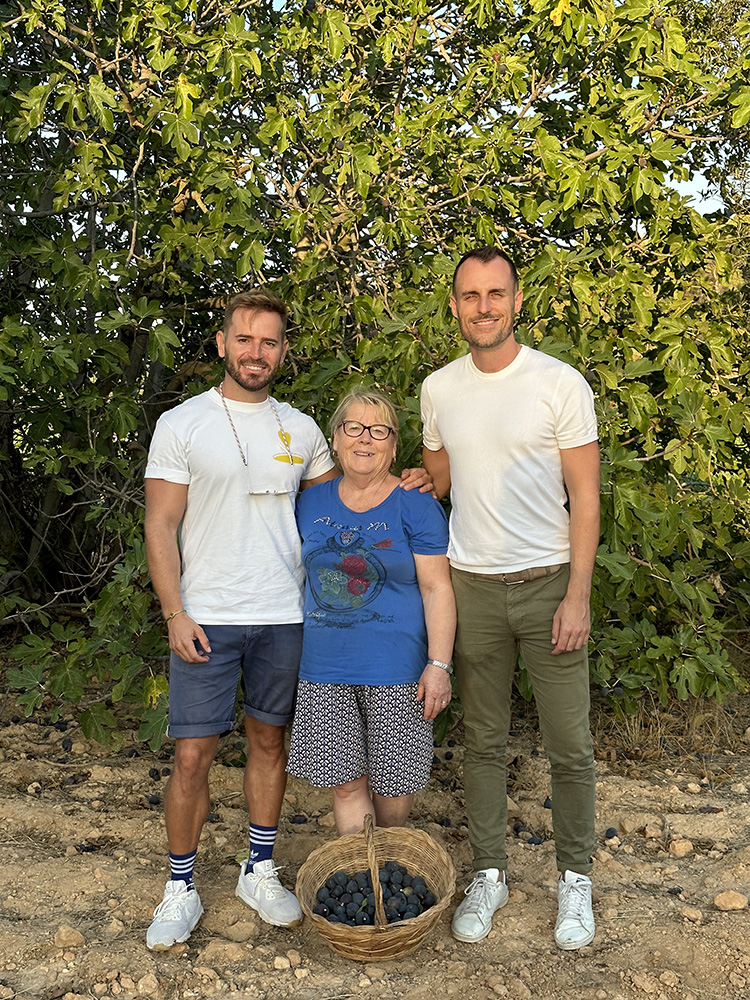
Fruit tree cultivation requires abundant water, so they are not common in the village except in certain riverbeds or on the edges of fields where rainwater accumulates. In some of these spots, you will find Fig trees (Higueras), whose fruit is ready to enjoy in early September.
Discover More
We often forget the origins of everyday elements in our gastronomy, such as wine or oil. Taking a stroll through the village will allow you to rediscover the beauty behind the products we frequently buy, which, unbeknownst to us, shape our very landscapes.
We look forward to seeing you at Mi Aldea to discover the luxury of returning to the essentials.


 mi aldea